
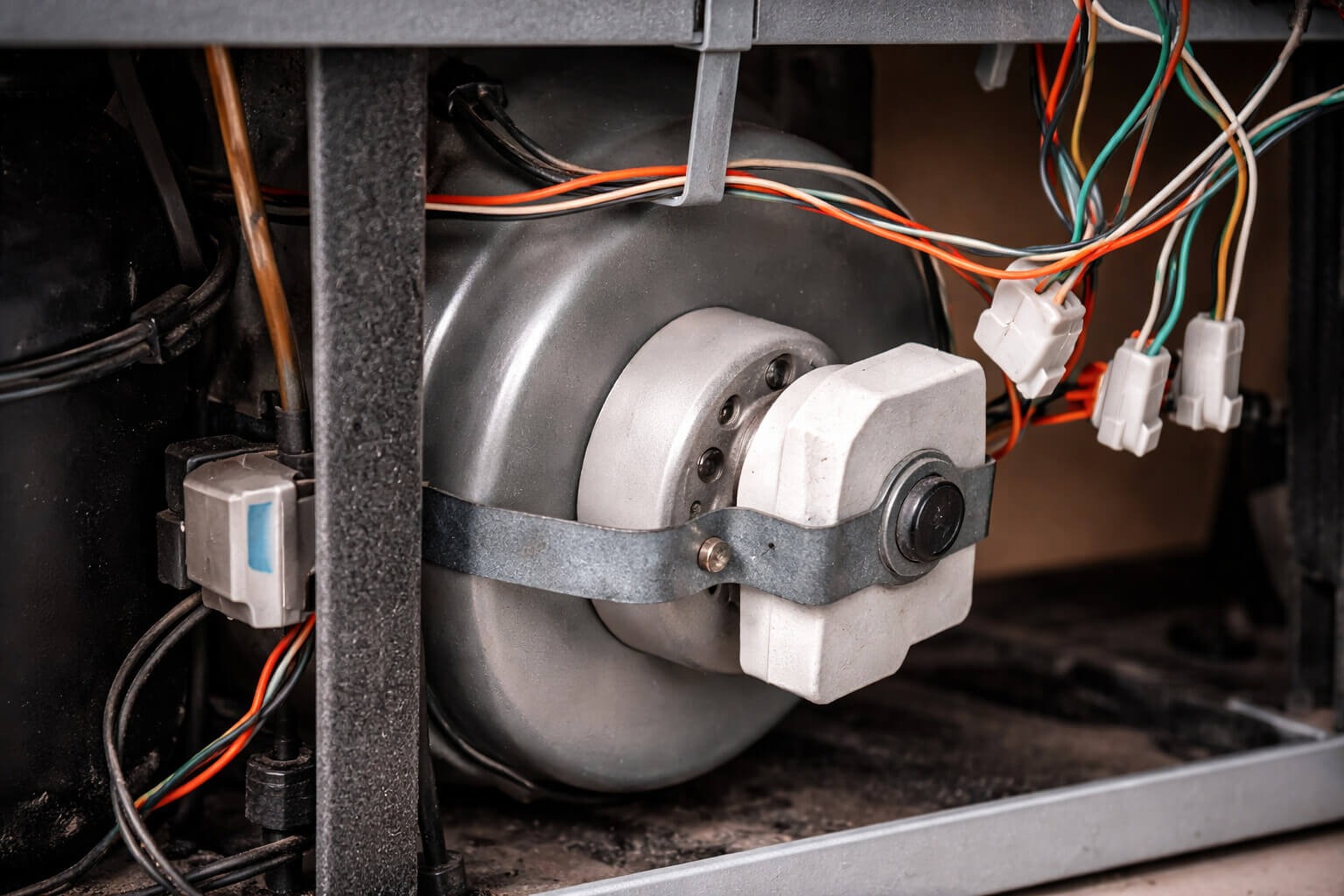
Why clean your condenser coils
Regular maintenance helps maximise efficiency and prevent overheating. A well-kept condenser coil dissipates heat effectively, keeping the fridge running smoothly and reducing energy usage. Begin with a quick visual check: look for dust, pet hair, or grease that has built up on the exterior. You don’t need to dismantle anything to perform a basic inspection; a simple wipe with a damp cloth can remove surface debris. If you notice stubborn grime, consider a soft brush to reach into the fins. Remember to unplug the unit before any cleaning for safety and to avoid damage to internal components.
To avoid common issues, schedule a light clean every few months, especially in kitchens with high dust or during hot weather. Keep the area around the appliance clear to allow for proper airflow. When you’re ready for a deeper clean, use a vacuum with a brush attachment to remove finer particles from behind the grille. Don’t use sharp tools that could bend the fins or cause leaks in metal components.
In addition to exterior care, you should monitor interior performance. A fridge that struggles to reach the set temperature or runs continuously is signaling a potential condenser problem. Check that door seals are intact and that the refrigerator is level; improper alignment can place extra strain on the cooling system and hamper heat exchange. If you notice unusual noises, it could indicate a compressor issue that warrants professional assessment.
Recognising when to tackle more involved tasks is important. Fridge condenser cleaning guide steps can be followed safely by most homeowners, yet some situations require a professional hand. If you’re unsure about the condition of coils or wiring, or if the appliance is making harsh sounds, pause and call a technician for an inspection. A cautious approach protects your investment and extends the appliance’s life.
During maintenance, document the work and observe performance after each session. A consistent routine helps you notice small changes before they become costly problems. If the condenser appears blocked after a year, you might need more frequent cleaning or even coil replacement. Always unplug the appliance, wear gloves, and avoid liquids near electrical connections to stay safe while you work.
As you plan for future upkeep, consider the broader context of your kitchen. Fridge filters, door seals, and proper ventilation all contribute to overall efficiency. When you feel ready to explore related guidance, you can compare practical approaches with credible resources that cover both preventative care and component replacement strategies. Fridge Mentor