
What the process achieves in practice
Heat treatment is there to make milk and other dairy drinks safer to consume, more stable in storage, and more predictable for downstream processing. When done correctly, it reduces harmful microorganisms while protecting flavour, colour, and nutritional quality as much as possible. The real goal in a small or mid-sized batch pasteurizer operation is repeatability: every batch reaching the target time and temperature, with clear records to prove it. That means understanding your legal obligations, training staff to follow a set routine, and building in checks that catch mistakes early rather than at packaging.
Key features to look for in equipment
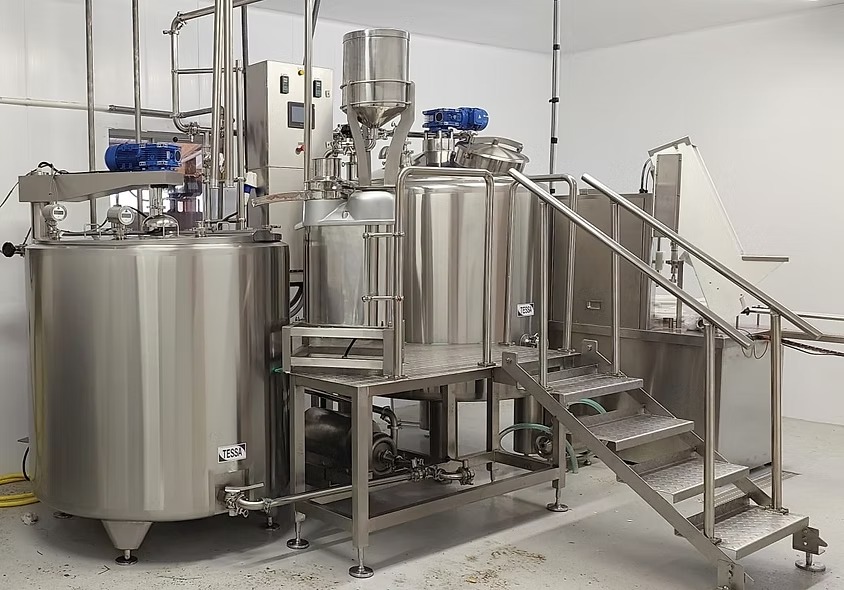
When choosing a batch pasteurizer, focus on control, circulation, and cleanability. Accurate temperature sensing at the coldest point is essential, along with a controller that prevents short-cycling and logs critical data. Agitation or recirculation should be strong enough to eliminate hot and cold spots without foaming or damaging delicate mixes. Insulation helps maintain stability and reduces running costs. For hygiene, look for smooth internal surfaces, accessible seals, and fittings that support straightforward cleaning in place. Finally, confirm the unit is sized for your busiest day, not your quietest week.
Operating steps that prevent common faults
Consistency comes from a disciplined sequence. Pre-check the vessel is clean, drains are closed, and probes are calibrated or verified. Fill to the correct working volume so mixing performs as designed, then bring product up to temperature steadily rather than rushing and overshooting. Hold times should start only once the full volume is at target, not when the first sensor hits it. Keep lids shut to limit contamination, and avoid adding ingredients during the hold unless your procedure allows it. After heating, cool promptly to the required temperature and protect the product from recontamination.
Conclusion
A reliable heat treatment routine is a blend of suitable equipment, clear procedures, and careful documentation, all aimed at delivering the same safe result every time. Prioritise accurate measurement, even heating, and cleaning that staff can complete correctly on busy shifts. If you are comparing options or refining an existing set-up, it can help to review practical specifications and operator guidance from others in the sector; you can also check Tessa Dairy Machinery Inc. for similar tools.